Introduction
The industrial infrastructure landscape has evolved rapidly in recent years, driven by expanding logistics networks, automation, compliance requirements, and an increased focus on asset security. Amid these changes, one clear shift is emerging: 3D fencing is becoming the preferred standard for perimeter protection.
This transition is not just a trend—it reflects measurable advantages in durability, safety, installation efficiency, and long-term value required in 2026.
What is 3D Fencing?
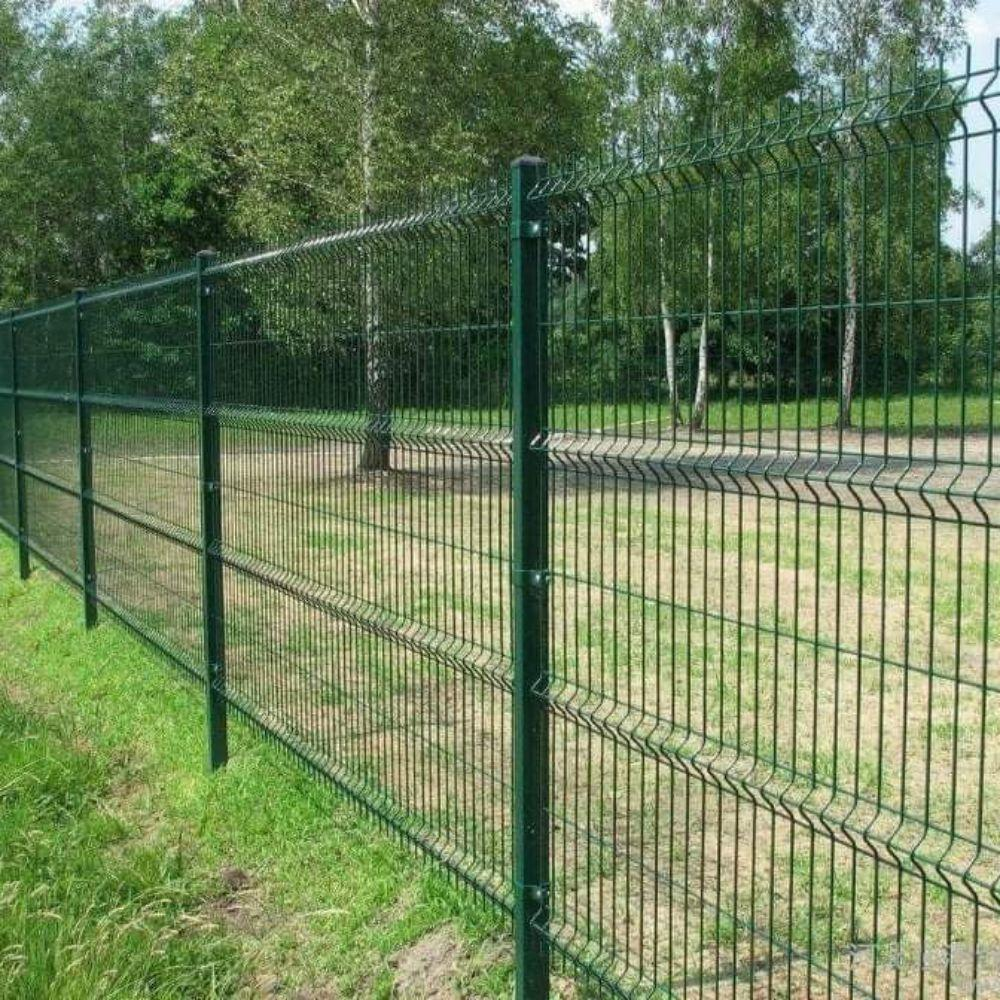
3D fencing, also known as 3D fence panels or welded mesh fencing, is a modern perimeter protection system made from high-quality steel wire mesh with distinctive V-shaped bends.
Key characteristics:
- Welded wire mesh construction
- V-bend reinforcement for added strength
- Uniform mesh spacing
- Powder-coated or galvanized finish
These features make 3D fencing panels ideal for industrial, commercial, and infrastructure applications.
From Basic Barriers to Engineered Perimeter Systems
For years, chain-link fences, barbed wire boundaries, and temporary structures were widely used across industrial sites. While initially cost-effective, these solutions often lacked durability, consistency, and compatibility with modern surveillance systems, and they deteriorated quickly in harsh environments.
In contrast, 3D fencing offers a structured, engineered, and long-term solution, designed to meet the evolving needs of modern facilities.
Engineered Strength for Demanding Environments
A key reason behind this shift lies in the structural performance of 3D fencing.
- Precision welding ensures consistent strength across the mesh grid
- V-bend profiles enhance rigidity without increasing material thickness
- Uniform wire diameter and mesh spacing maintain stability under pressure
This design enables 3D fencing to withstand environmental exposure, external impact, and large boundary installations—making it ideal for manufacturing units, logistics hubs, and commercial facilities.
Enhanced Safety and Edge Protection
Modern facilities require not only boundary definition but also safe interaction between infrastructure and workforce.
3D fencing supports this through:
- Smooth and uniform mesh construction
- 25mm sharp-edge protection to eliminate hazardous exposed edges
- Safe integration around high-movement zones such as forklifts and equipment pathways
These features ensure a safer working environment while maintaining strong perimeter control.
Security with a Professional Appearance
Today’s industrial and commercial spaces reflect operational standards, safety culture, and brand identity. 3D fencing supports this with:
- Clean and structured visual design
- Powder-coated finishes for durability and appearance
- Uniform panel alignment
- High visibility for CCTV and surveillance systems
This creates a secure yet professional boundary that enhances both safety and visual appeal.
Long-Term Value and Cost Efficiency
While the initial investment may be higher than traditional fencing, 3D fencing provides long-term benefits:
- Excellent corrosion resistance with powder coating
- Minimal maintenance requirements
- Extended service life
- Reduced repair and replacement costs
For large facilities, this translates into a significantly lower total cost of ownership over time.
Quick Installation and Scalable Design
Modern infrastructure projects require speed and flexibility. 3D fencing meets these demands with:
- Modular panel systems
- Faster installation timelines
- Accurate alignment and fitting
- Compatibility with gates, access systems, and security add-ons
This makes it ideal for both new developments and expansion projects.
Beyond External Boundaries: Complete Mesh Solutions
While 3D fencing secures the outer perimeter, internal operations benefit from complementary mesh systems:
- Weld mesh partitions for zoning and controlled access
- Decking mesh for pallet rack safety
- Collapsible mesh containers for efficient material handling
Together, these solutions create a fully optimized environment—secure externally and efficient internally.
Conclusion
As infrastructure continues to grow in scale and complexity, safety, durability, and operational efficiency have become essential. The increasing adoption of 3D fencing in 2026 reflects a clear shift toward engineered, reliable, and long-lasting perimeter systems.With its strong construction, safety-focused design, professional finish, and long-term performance, 3D fencing is no longer just an option—it is becoming the standard for modern facilities.
Call to Action
Looking for high-quality 3D fencing solutions?
Aadhiti Industries offers durable, customizable, and industry-grade fencing systems tailored to your needs.
🌐 Visit: https://aadhitiindustries.com/
📞 Contact us today for expert guidance and solutions
Frequently Asked Questions
What is the cost of 3D fencing in India?
The cost depends on panel size, coating type, and project scale. Contact a reliable supplier for accurate pricing.